
Life Cycle Assessment (LCA)
Life Cycle Assessment (LCA) Consultancy Services
Introduction to Life Cycle Assessment
What Is a Life Cycle Assessment?
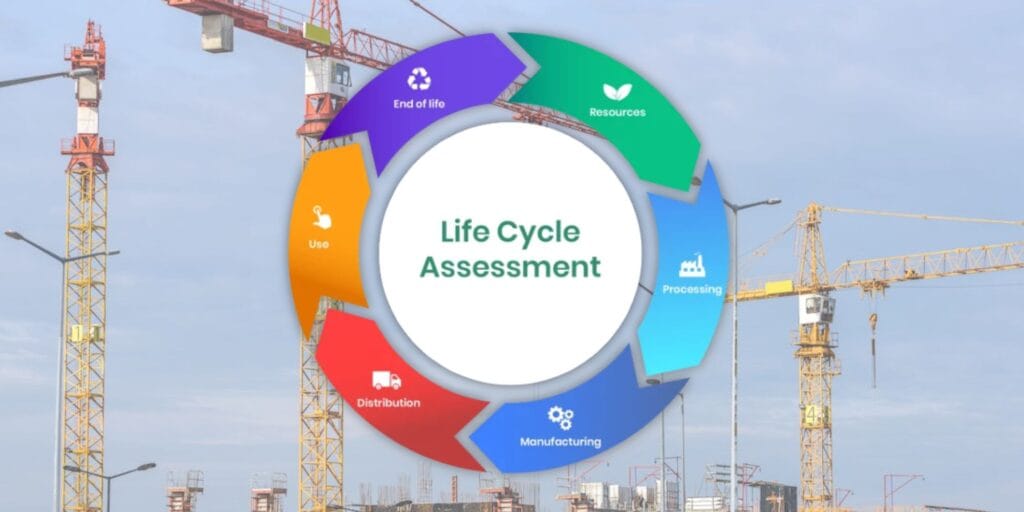
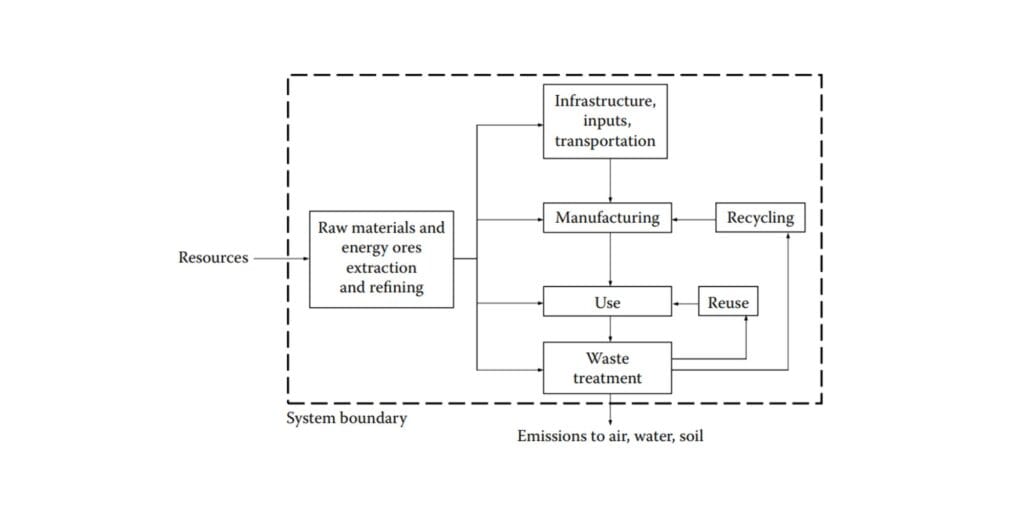
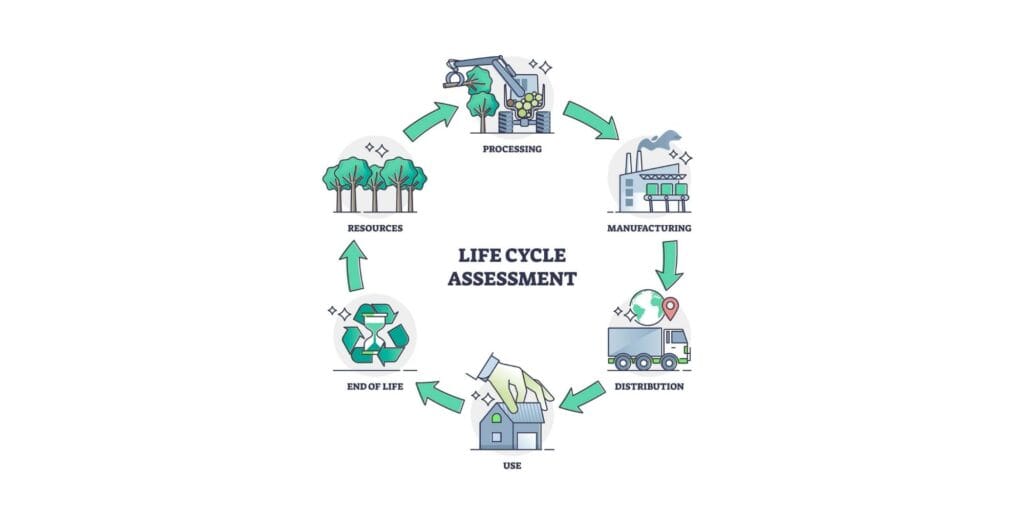
A Life Cycle Assessment (LCA) is a systematic, science based methodology that evaluates the environmental impacts of a product, service, or process across its entire life cycle. In other words, LCA examines everything from raw material extraction through manufacturing, transportation, use, and eventual disposal or recycling. This comprehensive approach ensures no environmental burden is overlooked.
Unlike simple carbon calculators, LCA provides a complete environmental profile. Therefore, businesses gain insights into multiple impact categories including climate change, water use, resource depletion, acidification, eutrophication, and toxicity. Consequently, decision makers can identify environmental hotspots and prioritize meaningful improvements.
How Life Cycle Assessments Work
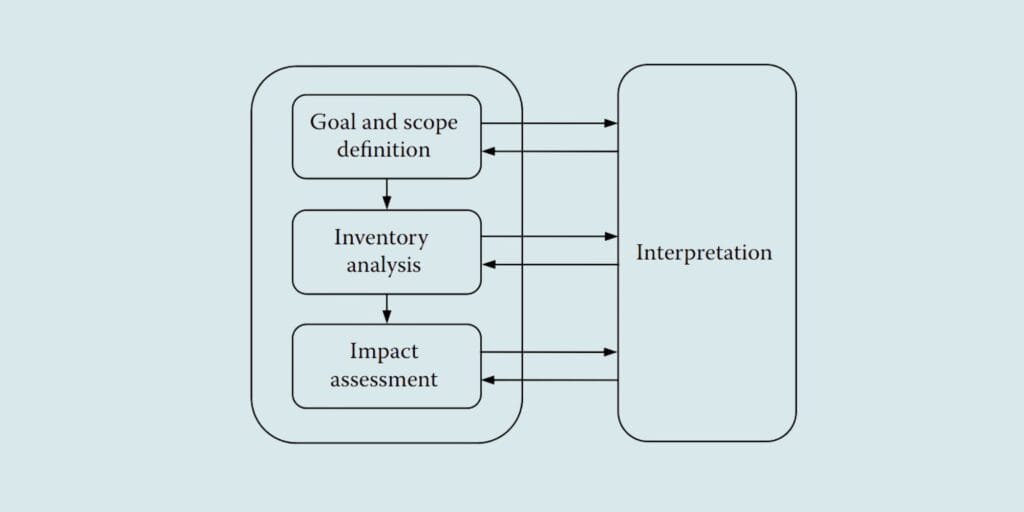
LCA follows a structured four phase framework defined by international standards. First, the goal and scope are established, defining what will be studied and why. Second, life cycle inventory data is collected for all inputs and outputs. Third, environmental impacts are calculated using scientifically validated models. Finally, results are interpreted to draw conclusions and recommendations.
This standardized approach ensures consistency and comparability. For example, two competing products can be fairly evaluated when both undergo LCA using the same methodology. Moreover, LCA results can support Environmental Product Declarations, carbon footprint reporting, and sustainability claims with credible, verifiable data.
Why LCAs Are Globally Important in 2024 and 2025
The global business landscape has fundamentally shifted toward environmental accountability. In addition, regulatory frameworks worldwide now require or incentivize life cycle thinking. Companies can no longer ignore the upstream and downstream impacts of their products without risking competitive disadvantage.
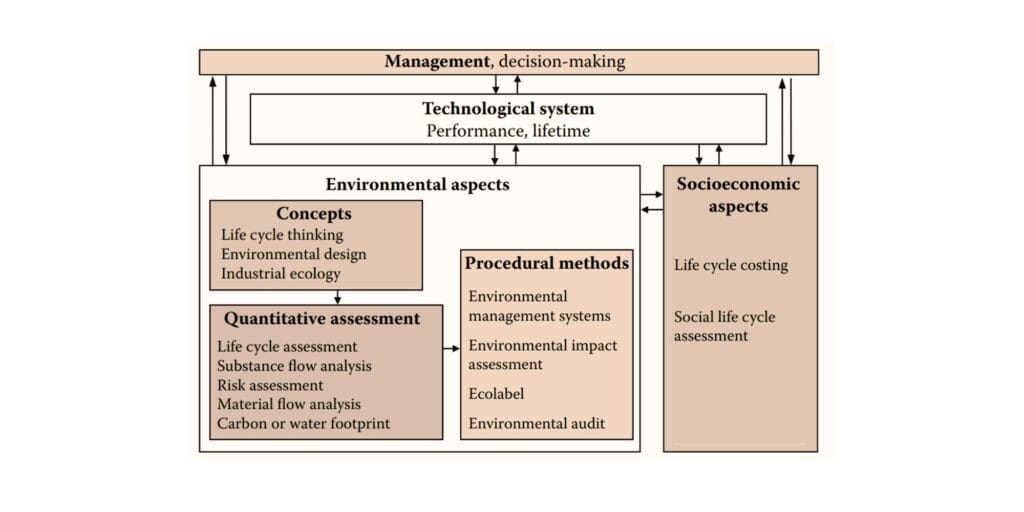
LCAs have become essential tools supporting multiple business needs. Specifically, they enable accurate carbon footprinting by quantifying greenhouse gas emissions across all life cycle stages. Furthermore, LCAs form the technical foundation for Environmental Product Declarations, which are increasingly mandatory in construction and manufacturing sectors. They also power sustainability reporting frameworks like GRI, CDP, and TCFD by providing quantified environmental data.
Green procurement policies in Europe, North America, and Asia Pacific explicitly reference LCA based information. As a result, suppliers without credible life cycle data face exclusion from lucrative contracts. Additionally, LCA insights help companies meet customer expectations for product environmental performance transparency.
Key International Standards Governing LCA
Life cycle assessment methodology is governed by two primary ISO standards. ISO 14040 establishes the principles and framework for conducting LCAs, defining requirements for scope, data quality, and reporting. Meanwhile, ISO 14044 provides detailed requirements and guidelines for each phase of the LCA process, from inventory analysis through impact assessment and interpretation.
These standards ensure LCA studies are scientifically sound, transparent, and reproducible. In addition, they provide the credibility needed for LCA results to support public claims, regulatory compliance, and business decisions. Any professional LCA consultant must demonstrate deep familiarity with both ISO 14040 and ISO 14044.
Global Drivers Accelerating LCA Adoption
Multiple forces are driving unprecedented demand for LCA services worldwide. The European Union has implemented regulations like the Corporate Sustainability Reporting Directive and Ecodesign for Sustainable Products Regulation that explicitly require life cycle information. Therefore, companies operating in or exporting to EU markets must conduct LCAs to remain compliant.
In the United States, supply chain pressure from major corporations has cascaded LCA requirements throughout entire industries. Companies like Apple, Microsoft, and Walmart now require detailed product carbon footprint data from suppliers, which can only be accurately provided through LCA. Similarly, Canada has integrated life cycle thinking into federal procurement and climate policies.
Australia and New Zealand are advancing national sustainability standards that reference LCA methodology. For instance, green building rating tools in both countries reward products with credible environmental assessments. Consequently, manufacturers serving these markets increasingly need LCA studies to remain competitive.
Why LCAs Are Critically Important for Businesses in 2025
ESG Reporting and Investment Decisions
Environmental, Social, and Governance reporting has moved from voluntary disclosure to mainstream business practice. Investors managing trillions of dollars now use ESG metrics to evaluate companies and allocate capital. However, vague sustainability statements no longer satisfy stakeholder expectations.
LCA provides the quantified, verifiable environmental data that ESG frameworks demand. For example, Scope 1, 2, and 3 greenhouse gas inventories require life cycle thinking to accurately account for upstream and downstream emissions. Furthermore, reporting frameworks like GRI and CDP specifically request life cycle based information for products and services. Therefore, companies serious about ESG performance need LCA capabilities.
Scope 3 Emissions Transparency and Supply Chain Reporting
Scope 3 emissions typically represent 70 to 90 percent of a company’s total carbon footprint. These indirect emissions occur in the value chain, including purchased goods, transportation, product use, and end of life disposal. Consequently, accurate Scope 3 reporting is impossible without life cycle assessment.
Major corporations face increasing pressure to report comprehensive Scope 3 inventories. In turn, they require suppliers to provide product level carbon footprint data. LCA is the only credible methodology for generating this information. Moreover, as supply chain emission transparency becomes standard practice, companies without LCA data risk losing key customers.
Export Competitiveness and Market Access
International trade increasingly depends on environmental credentials. Export markets in Europe, North America, and Asia Pacific now expect or require life cycle based documentation. For instance, the EU Carbon Border Adjustment Mechanism will effectively tax imports based on embedded carbon, which must be calculated using LCA principles.
Products with credible LCA studies gain competitive advantages in green procurement processes. On the other hand, manufacturers lacking environmental data face barriers to entry in premium markets. Therefore, LCA has become essential for export oriented businesses seeking to maintain or expand international sales.
Product Carbon Footprint Accuracy and Marketing Claims
Consumer and B2B buyers demand transparency about product environmental impacts. However, environmental marketing claims face increasing regulatory scrutiny worldwide. The European Union’s Green Claims Directive and similar initiatives in other jurisdictions require substantiation of environmental assertions with credible data.
LCA provides the rigorous, standardized methodology needed to support defensible environmental claims. For example, stating that your product has a lower carbon footprint than competitors requires comparative LCA following ISO standards. Similarly, carbon neutral or net zero product claims must be backed by complete life cycle carbon footprint calculations. Without LCA, environmental marketing risks greenwashing accusations and regulatory penalties.
Green Building Credits and Construction Industry Requirements
Green building certification systems have made LCA based information highly valuable. LEED, BREEAM, Green Star, and other rating schemes award credits to projects that specify products with Environmental Product Declarations. Since EPDs require underlying LCA studies, manufacturers serving the construction sector increasingly need LCA capabilities.
Beyond certification credits, architects and specifiers now routinely request product environmental data during material selection. Therefore, building product manufacturers without LCA studies face disadvantage against competitors who can provide transparent environmental performance information. This trend extends across structural materials, finishes, MEP systems, and furnishings.
Environmental Claims Regulation Tightening Worldwide
Governments globally are cracking down on unsubstantiated environmental claims. Regulatory bodies increasingly demand scientific proof for sustainability assertions. Consequently, companies making environmental claims without credible data face legal risks, reputational damage, and potential fines.
LCA provides the scientific foundation that regulators accept as valid substantiation. For instance, product carbon footprint labels, recyclability claims, and environmental superiority statements all require LCA based evidence. Therefore, businesses seeking to communicate environmental benefits legally and credibly must invest in professional life cycle assessment.
The LCA Development Process
Goal and Scope Definition
The LCA process begins with clearly defining the study purpose and boundaries. First, you must articulate why the LCA is being conducted and who will use the results. For example, the goal might be supporting an EPD, comparing product alternatives, or identifying improvement opportunities.
Next, the scope establishes what will be included in the analysis. This involves defining the product system, identifying life cycle stages to be assessed, and specifying geographical and temporal boundaries. Additionally, you must state any limitations or exclusions and justify these decisions according to ISO requirements.
Functional Unit and Reference Flow
Every LCA must define a functional unit that quantifies the product’s performance. This reference basis enables fair comparison between alternatives delivering the same function. For instance, one square meter of flooring over 25 years, or one liter of paint covering 10 square meters.
The functional unit drives all subsequent calculations. Therefore, selecting an appropriate functional unit requires careful consideration of how the product is actually used. Furthermore, the reference flow translates the functional unit into specific quantities of the product being assessed, accounting for factors like efficiency, durability, and application rates.
System Boundaries and Life Cycle Stages
Establishing system boundaries defines which processes are included or excluded from the assessment. Common boundary approaches include cradle to gate, which covers raw material extraction through factory gate; cradle to grave, which includes use and disposal; and cradle to cradle, which accounts for recycling and circular economy aspects.
Each boundary choice affects results and conclusions. For example, products with energy intensive use phases require cradle to grave assessment for accurate environmental profiling. Meanwhile, business to business products often use cradle to gate boundaries. Consequently, boundary decisions must align with the study goal and be clearly documented.
Life Cycle Inventory Data Collection
Data collection represents the most time intensive phase of LCA. You must gather quantitative information on all inputs and outputs for each process within the system boundaries. This includes energy consumption, raw materials, water use, transportation, waste generation, and emissions to air, water, and soil.
Primary data comes from your own operations and direct suppliers. However, background processes like electricity generation, material production, and waste treatment typically rely on secondary data from LCA databases such as ecoinvent or GaBi. Moreover, data quality must meet ISO requirements for temporal, geographical, and technological representativeness.
Impact Assessment and Environmental Indicators
Once inventory data is complete, impact assessment translates resource consumption and emissions into environmental impact indicators. This involves classification, where inventory items are assigned to impact categories; characterization, where items are converted to common units using scientific models; and optionally normalization and weighting.
Common impact categories include climate change measured in CO2 equivalents, acidification potential, eutrophication potential, ozone depletion, photochemical ozone creation, resource depletion, water scarcity, and ecotoxicity. Therefore, LCA provides a multi dimensional environmental profile rather than focusing solely on carbon footprint.
Interpretation and Sensitivity Analysis
Interpretation involves analyzing results to identify significant impact contributors, evaluating data quality and uncertainty, and drawing conclusions aligned with the study goal. This phase requires technical expertise to distinguish meaningful findings from data noise.
Sensitivity analysis tests how results change when key assumptions or data inputs vary. For example, if transportation distance assumptions significantly affect conclusions, this highlights data collection priorities for future improvements. Furthermore, sensitivity analysis strengthens confidence in conclusions by demonstrating robustness across reasonable input variations.
Reporting and Documentation
LCA results must be documented in a comprehensive report following ISO 14040 and 14044 requirements. The report includes goal and scope definition, inventory analysis methodology and data, impact assessment results, interpretation and conclusions, data quality assessment, and transparent documentation of assumptions and limitations.
Clear reporting ensures results can be understood by intended audiences and enables third party review when required. Moreover, thorough documentation allows LCA studies to be updated as products or processes change over time.
Integration into Environmental Product Declarations
When LCAs support Environmental Product Declarations, additional requirements apply. The LCA must follow relevant Product Category Rules that specify functional units, system boundaries, data quality criteria, and impact categories for specific product groups. Furthermore, EPD based LCAs undergo independent third party verification to ensure credibility.
This integration transforms LCA from an internal analysis tool into a publicly communicated document. Therefore, EPD bound LCAs require even greater attention to data quality, methodological rigor, and documentation completeness.
Why Conducting an LCA Internally Is Difficult
Data Gaps and Data Quality Challenges
Most companies lack complete data on their product life cycles. While you may track raw material purchases and energy consumption at your facility, upstream processes remain opaque. For instance, the environmental impacts of producing your raw materials, components, and packaging typically require supplier engagement or database estimates.
Obtaining primary data from suppliers is often difficult. Many suppliers lack environmental data systems or consider such information confidential. Consequently, you face decisions about data quality tradeoffs that affect result accuracy. Moreover, documenting data sources, quality assessments, and uncertainty according to ISO requirements demands expertise and rigor.
Complex ISO Standard Requirements
ISO 14040 and 14044 contain detailed methodological requirements that are not immediately obvious to newcomers. These standards use precise terminology and specify numerous conditional requirements depending on study type, boundaries, and intended applications. Therefore, ensuring full compliance requires deep familiarity gained through training and experience.
Many LCA attempts by inexperienced practitioners contain subtle methodological errors that undermine credibility. For example, improper allocation procedures, inconsistent system boundaries, or inadequate data quality documentation can invalidate results. Furthermore, when LCAs support public claims or EPDs, these errors may be caught during third party review, forcing costly revisions.
Impact Calculation Complexity and Scientific Models
Life cycle impact assessment involves sophisticated environmental science. Calculating how emissions of hundreds of substances contribute to various impact categories requires scientifically validated characterization models. These models incorporate atmospheric chemistry, toxicology, ecology, and resource science.
Understanding when to apply different impact assessment methods adds another layer of complexity. For instance, European focused studies typically use different methods than North American studies. Additionally, emerging impact categories like microplastics, biodiversity loss, and social impacts lack standardized methods, requiring expert judgment.
LCA Modeling Software and Technical Learning Curve
Professional LCA requires specialized software such as SimaPro, GaBi, or openLCA. These platforms integrate extensive life cycle inventory databases, impact assessment methods, and modeling tools. However, learning to use LCA software effectively requires significant time investment and technical aptitude.
Software licenses and database subscriptions represent substantial costs, particularly for small and medium enterprises conducting occasional LCA studies. Moreover, without regular practice, software skills atrophy quickly. Therefore, maintaining internal LCA capability often proves impractical for companies where life cycle assessment is not a core function.
Understanding Product Category Rules for EPDs
When LCAs support Environmental Product Declarations, you must navigate Product Category Rules that provide sector specific guidance. PCRs contain detailed methodological requirements, mandatory data quality levels, and specific reporting elements. Consequently, PCR interpretation adds complexity beyond basic ISO standards.
Different PCRs may specify different functional units, system boundaries, or impact categories for similar products. Furthermore, some regions or industries prefer specific PCR developers over others. Therefore, selecting and correctly applying the right PCR requires familiarity with the EPD landscape that few companies possess internally.
Time and Cost Burdens for Small and Medium Enterprises
A complete LCA typically requires 100 to 300 hours of technical work depending on product complexity and data availability. For SMEs with limited staff and tight budgets, dedicating this level of effort to life cycle assessment creates real opportunity costs. Additionally, the learning curve means first attempts often take substantially longer than subsequent studies.
Cost considerations extend beyond labor hours. Software licenses, database subscriptions, and potential external verification fees add up quickly. Therefore, many SMEs recognize LCA value but struggle to justify the investment without external support or simplified approaches.
How I Support Clients as a Freelancing Sustainability Consultant
Educational Background and Technical Foundation
I hold a Master of Science degree in Environmental Science, which provided comprehensive training in environmental assessment methodologies. This academic foundation ensures I understand not only how to conduct LCAs but also the underlying environmental science, systems thinking, and impact assessment principles that make results meaningful.
My education covered life cycle assessment theory and practice, environmental modeling, sustainability metrics, ecological principles, and environmental policy frameworks. Therefore, I bring both theoretical rigor and practical problem solving ability to every LCA project.
Professional Experience Across Industries and Geographies
With more than four years of professional sustainability experience based in Dubai and supporting international clients, I have developed practical expertise across diverse applications. My experience spans manufacturing, services, hospitality, construction products, consumer goods, and industrial sectors. Consequently, I understand how to adapt LCA methodology to different product types and business contexts.
I have supported clients across the UAE, Europe, United States, Canada, Australia, and New Zealand. This geographic diversity has given me familiarity with regional variations in standards, market expectations, and regulatory requirements. Moreover, working remotely with global clients has honed my ability to communicate complex technical concepts clearly across cultural and linguistic contexts.
Comprehensive Sustainability Expertise Beyond LCA
My expertise extends across the full spectrum of corporate sustainability. In addition to life cycle assessment, I have deep experience with Environmental Product Declarations, greenhouse gas inventories aligned with the GHG Protocol, carbon footprint calculations, EcoVadis assessments, sustainability policy development, standard operating procedures for environmental management, and ESG reporting frameworks.
This breadth means I understand how LCA fits within broader sustainability strategies. For instance, your LCA results can inform carbon reduction targets, support EcoVadis submissions, feed into sustainability reports, and strengthen environmental policies. Therefore, I help clients maximize the value of their LCA investment across multiple business applications.
Education Plus Consulting Approach
I take an educational approach to consulting. Rather than delivering results as a black box, I involve clients in key decisions, explain methodological choices, and build internal understanding throughout the process. This approach ensures you can confidently interpret results, respond to customer questions, and leverage insights for continuous improvement.
Many clients appreciate this knowledge transfer because it builds lasting capability within their organizations. Furthermore, when you understand the LCA foundations, you can maintain and update studies more easily in the future. Therefore, my consulting style emphasizes empowerment rather than dependency.
Specialized Focus on Small and Medium Enterprises
Large corporations can afford big consultancy firms with teams of specialists. However, SMEs need a different service model. They require high quality technical work delivered efficiently at reasonable cost by someone who understands the unique constraints facing smaller organizations.
I specialize in making life cycle assessment accessible to small and medium enterprises. Consequently, I have developed streamlined approaches that maintain methodological rigor while respecting budget and timeline constraints. Moreover, my communication style is direct and jargon free, ensuring that decision makers without technical backgrounds can understand and act on LCA findings.
Global Client Support and Remote Collaboration
As an independent consultant, I work remotely with clients worldwide. This model eliminates travel costs and scheduling constraints, making expert LCA support accessible regardless of your location. I am experienced with video conferencing, project management tools, and asynchronous collaboration that keeps projects moving efficiently.
My global focus means I understand different regional requirements, standards, and market expectations. Whether you are targeting European green procurement, North American supply chain requirements, or Asia Pacific sustainability standards, I can tailor LCA studies to meet your specific market needs.
My LCA Consultancy Scope of Work
Complete Life Cycle Assessment Modeling
I conduct full LCA modeling according to ISO 14040 and ISO 14044 standards using professional software and recognized databases. This includes developing the complete product system model, establishing appropriate system boundaries, modeling all relevant life cycle stages from cradle to gate or cradle to grave as needed, and building a comprehensive life cycle inventory.
My modeling approach prioritizes accuracy and transparency. Therefore, all assumptions, data sources, and methodological choices are clearly documented. Furthermore, I use sensitivity analysis to identify which parameters most significantly affect results, ensuring you understand where data quality improvements would be most valuable.
Customized Data Collection Support
Data collection is often the most challenging aspect of LCA for companies. Therefore, I provide comprehensive support including customized data collection templates tailored to your products and processes, clear instructions on what data is needed and why, guidance on engaging suppliers for upstream data, and strategies for managing data gaps when perfect information is unavailable.
I work collaboratively with your team to gather primary data efficiently. Moreover, I help prioritize data collection efforts by identifying which processes contribute most significantly to environmental impacts. This targeted approach minimizes the burden on your staff while maximizing result quality.
Primary and Secondary Data Validation
Data quality directly affects LCA credibility and usefulness. Therefore, I carefully validate all data inputs. For primary data from your operations, I assess representativeness, completeness, and consistency. Additionally, I identify outliers or anomalies that may indicate measurement errors or atypical conditions.
For secondary data from LCA databases, I select datasets that best match your geographical location, technology level, and temporal scope. Furthermore, I document data quality according to ISO requirements using pedigree matrices or similar approaches. This rigorous validation ensures your LCA results are defendable and credible.
ISO Aligned Methodology and Documentation
Compliance with ISO 14040 and ISO 14044 is non negotiable for credible LCA. Therefore, I ensure every study follows these standards meticulously. This includes proper goal and scope definition, appropriate functional unit selection, comprehensive system boundary documentation, transparent allocation procedures when required, and complete uncertainty and sensitivity analysis.
My documentation meets ISO requirements for transparency and reproducibility. Consequently, your LCA can support public claims, undergo third party review, or serve as the basis for Environmental Product Declarations without methodological concerns.
Comprehensive Impact Assessment and Carbon Footprint
I calculate environmental impacts across all relevant categories, not just carbon footprint. This includes climate change measured in CO2 equivalents, acidification and eutrophication potentials, ozone depletion, photochemical ozone creation, resource depletion for fossil fuels and minerals, water scarcity and consumption, and human toxicity and ecotoxicity when relevant.
However, I also provide focused carbon footprint analysis when that is your primary interest. Product carbon footprints follow ISO 14067 guidance and can be communicated through labels, marketing materials, or carbon declarations. Therefore, whether you need a full multi indicator LCA or focused carbon analysis, I deliver results suited to your goals.
Professional LCA Report Creation
I prepare comprehensive LCA reports that communicate results clearly to your intended audience. Reports include executive summaries for decision makers, detailed methodology sections for technical reviewers, clear presentation of results with charts and tables, interpretation highlighting key findings and improvement opportunities, and complete documentation of assumptions and limitations.
Report format and detail level are tailored to your needs. For instance, internal decision support may require different emphasis than reports supporting EPDs or public communications. Furthermore, I can prepare summary materials like one page fact sheets or presentation slides to help you communicate results to customers and stakeholders.
Environmental Product Declaration Integration
When your LCA will support an EPD, I ensure full compliance with relevant Product Category Rules from the outset. This includes selecting appropriate PCRs, aligning functional units and system boundaries with PCR requirements, meeting PCR specific data quality criteria, calculating all mandatory impact indicators, and preparing documentation for third party verification.
This proactive approach avoids costly revisions during verification. Moreover, I can coordinate directly with EPD verifiers and program operators, managing the technical aspects of EPD registration while you focus on business priorities.
Supplier Environmental Data Improvement
Many companies discover during LCA that supplier data represents a significant uncertainty source. Therefore, I can help you engage suppliers to improve data quality. This includes developing supplier questionnaires, providing guidance to suppliers on data collection, evaluating supplier provided data for quality and completeness, and building long term supplier environmental data programs.
Improving supplier data quality enhances not only LCA accuracy but also your overall supply chain sustainability. Furthermore, collaborative supplier engagement often identifies cost saving opportunities and strengthens business relationships.
Actionable Recommendations and Improvement Roadmap
LCA should inform action, not just documentation. Therefore, I provide clear recommendations based on study findings. This includes identifying environmental hotspots where improvements would have the greatest impact, evaluating alternative materials, processes, or designs, estimating environmental benefits of specific changes, and developing prioritized improvement roadmaps aligned with your business constraints.
My recommendations are practical and business focused. For example, I consider cost implications, technical feasibility, supply chain impacts, and customer expectations. Consequently, you receive actionable insights that drive real environmental improvements rather than purely theoretical suggestions.
Why Choose Me for Your LCA Consultancy Needs
Global Remote Availability and Flexible Collaboration
As an independent consultant, I serve clients worldwide without geographical limitations. My remote work model means expert LCA support is accessible regardless of your location. Whether you are in Dubai, Europe, North America, Asia Pacific, or elsewhere, I provide the same high quality service.
Remote collaboration eliminates travel costs and scheduling constraints. Moreover, my experience with international clients has refined my ability to communicate complex technical concepts clearly across time zones and cultural contexts. Therefore, you receive responsive, professional service that fits your working style and schedule.
Technical Accuracy and Methodological Transparency
I prioritize accuracy and methodological rigor in every LCA project. Your results will withstand scrutiny from customers, verifiers, and regulators because they are built on solid foundations. Furthermore, I maintain complete transparency about assumptions, limitations, and uncertainties rather than overstating result precision.
My commitment to quality means I sometimes recommend additional data collection or analysis when shortcuts would compromise credibility. However, I balance technical perfectionism with practical business needs. Therefore, you receive results that are both scientifically sound and useful for decision making.
SME Friendly Pricing Without Compromising Quality
My freelance model avoids the overhead of large consultancies, allowing me to offer competitive pricing while maintaining technical excellence. I provide transparent, upfront pricing based on project scope so you know exactly what to expect. Additionally, I offer flexible engagement options from full service LCA to targeted support for specific technical challenges.
Small and medium enterprises deserve access to professional LCA expertise without paying corporate consultancy premiums. Therefore, my pricing structure is designed to make credible life cycle assessment achievable for businesses of all sizes.
Clear Communication and Client Collaboration
Technical expertise means little if results cannot be understood and applied. Therefore, I prioritize clear communication throughout every project. You will receive regular updates, straightforward explanations of technical decisions, and prompt responses to questions. Moreover, I use plain language rather than hiding behind jargon.
My collaborative approach means you remain involved in key decisions rather than waiting passively for deliverables. Furthermore, I welcome questions and discussion because client engagement improves both the LCA process and the usefulness of results.
Fast Turnaround Without Sacrificing Quality
I understand that timing matters for business decisions, customer commitments, and market opportunities. My focused, efficient approach typically delivers completed LCA studies in 6 to 12 weeks depending on product complexity and data availability. This timeline includes data collection, modeling, analysis, reporting, and client review cycles.
Fast delivery does not mean cutting corners. Rather, my experience allows me to work efficiently while maintaining the methodological rigor that makes LCA valuable. Therefore, you get timely results you can trust and act upon.
Deep Sustainability Technical Knowledge
My expertise spans life cycle assessment, Environmental Product Declarations, greenhouse gas inventories, carbon footprinting, EcoVadis assessments, and broader sustainability strategy. This breadth means I understand how LCA insights connect to other sustainability initiatives in your organization.
For example, LCA results can inform carbon reduction targets, support sustainability reporting, strengthen environmental policies, and enhance customer communications. Therefore, I help you maximize the strategic value of LCA beyond the immediate study deliverables.
Proven Experience Across LCA, EPD, and GHG Reporting
Having conducted LCAs, created EPDs, and developed GHG inventories for diverse clients, I bring integrated expertise that benefits your project. I understand how LCA data feeds into EPDs, carbon footprints, and sustainability reports. Moreover, this experience means I anticipate downstream uses of LCA results and structure studies accordingly.
Clients appreciate working with one consultant who can support multiple related needs rather than coordinating separate specialists. Therefore, whether you need standalone LCA, LCA plus EPD, or comprehensive carbon footprinting, I provide integrated support that ensures consistency and efficiency.
Frequently Asked Questions
How long does a typical LCA project take?
Most LCA projects require 6 to 12 weeks from initiation to final report delivery. However, timelines depend significantly on product complexity and data availability. Simple products with readily available data may be completed in 6 to 8 weeks. Meanwhile, complex products requiring extensive supplier engagement or novel data collection may take 10 to 14 weeks. I provide realistic timeline estimates during initial consultations based on your specific situation.
What information do I need to provide for an LCA?
You will need to provide detailed information about your product and its life cycle. This typically includes product specifications and bill of materials, manufacturing process descriptions, energy and water consumption data, transportation and logistics information, packaging details, product use phase requirements if applicable, and end of life scenarios. I provide customized data collection templates that make gathering this information straightforward. Furthermore, I help prioritize data collection by identifying which information most significantly affects results.
Can LCA support multiple business needs simultaneously?
Absolutely. A well conducted LCA provides data that supports Environmental Product Declarations, product carbon footprint calculations and labels, greenhouse gas inventory Scope 3 reporting, sustainability reporting frameworks like GRI and CDP, green procurement responses, environmental marketing claims, and product improvement initiatives. Therefore, LCA represents a strategic investment with applications across marketing, procurement, reporting, and product development.
How much does LCA consultancy cost?
LCA project costs vary based on product complexity, data availability, study scope, and specific deliverables. Simple cradle to gate assessments for straightforward products typically start around a certain range, while comprehensive cradle to grave studies for complex products require larger investments. I provide transparent, fixed price quotes after understanding your specific needs during initial consultation. My pricing is structured to be accessible for small and medium enterprises while reflecting the specialized expertise required for credible LCA work.
Do I need LCA software to work with you?
No. I use professional LCA software as part of my consulting service, so you do not need to purchase licenses or learn complex tools. However, if your organization wants to develop internal LCA capability, I can provide training and support for software selection and implementation as an additional service.
Can LCA help reduce costs in addition to environmental impacts?
Frequently, yes. LCA often reveals inefficiencies that drive both environmental impact and costs. For example, identifying energy intensive process steps, material waste, or inefficient logistics can lead to improvements that benefit both sustainability and profitability. Therefore, LCA should be viewed not just as an environmental compliance exercise but as a strategic tool for operational excellence.
How is LCA different from a simple carbon footprint?
Carbon footprint focuses solely on greenhouse gas emissions, while LCA assesses multiple environmental impact categories including acidification, eutrophication, resource depletion, water use, and toxicity. Furthermore, comprehensive LCA provides richer insights for decision making because environmental challenges extend beyond climate change alone. However, LCA can certainly provide detailed carbon footprint analysis as one component of a broader environmental assessment.
Will my LCA be accepted internationally?
When conducted according to ISO 14040 and ISO 14044 standards, LCA studies are recognized globally. However, specific applications may have additional regional requirements. For instance, EPDs intended for European markets should follow EN 15804, while North American audiences may prefer different program operators. I ensure your LCA meets the requirements of your target markets, whether that is Europe, North America, Asia Pacific, or multiple regions simultaneously.
Contact Me to Begin Your Life Cycle Assessment Journey
Life cycle assessment provides the environmental intelligence modern businesses need to compete, comply, and lead in sustainability. Whether you are responding to customer requirements, preparing for new regulations, pursuing green building projects, or proactively managing environmental performance, LCA delivers credible insights that drive better decisions.
I invite you to reach out for a consultation. We can discuss your products, business objectives, and how LCA can support your goals. I will provide honest guidance on study scope, realistic timelines, and transparent pricing. There is no obligation, and the conversation will give you clarity on how life cycle assessment can benefit your organization.
Together, we can transform environmental data into strategic advantage. Contact me today to get started.
Danushka Prabhad Freelance Sustainability Consultant EcoVadis Consultancy | Sustainability Management Systems | GHG Reporting | ESG Consulting
Need sustainability support for your business?
I’m here to help you plan, measure, and grow responsibly.
Click below to get in touch or message me directly.
I’m Danushka Prabhad, a sustainability consultant with a M.Sc.’s in Environmental Science. I partner with businesses globally to turn ESG goals into practical action. From carbon footprint assessments to structured sustainability management systems, I help organizations build strategies that create lasting impact. My work is rooted in clarity, science, and real-world results — because sustainability shouldn’t be just an idea, but a measurable, strategic advantage.
